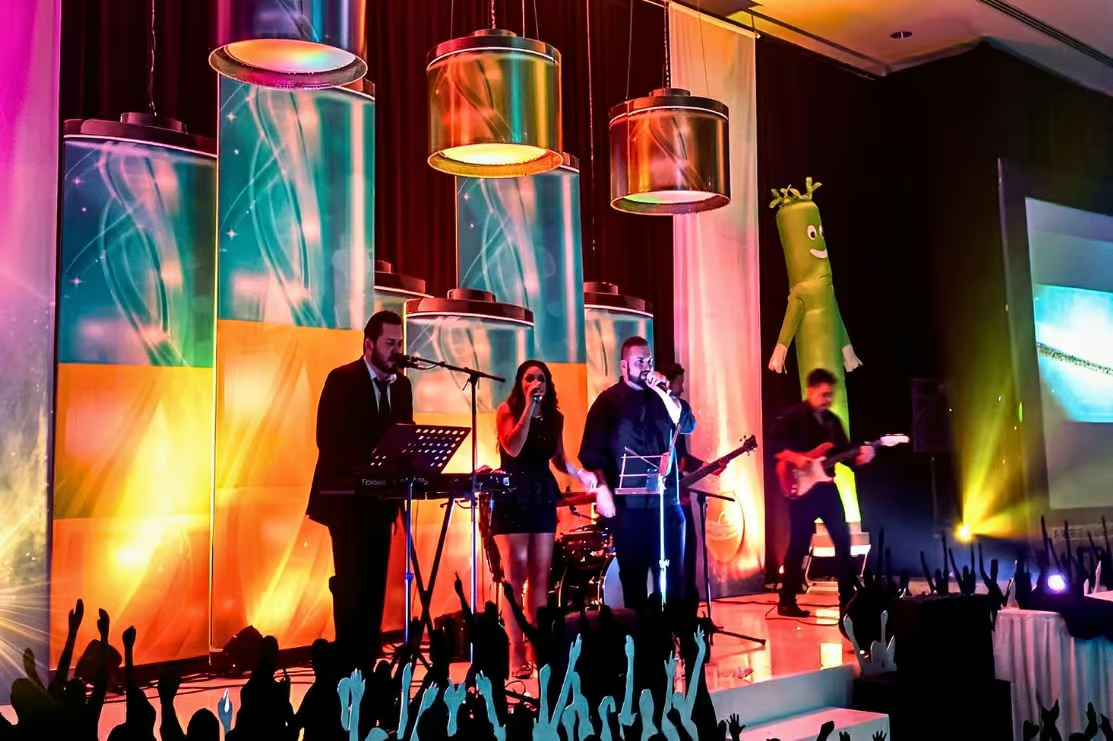
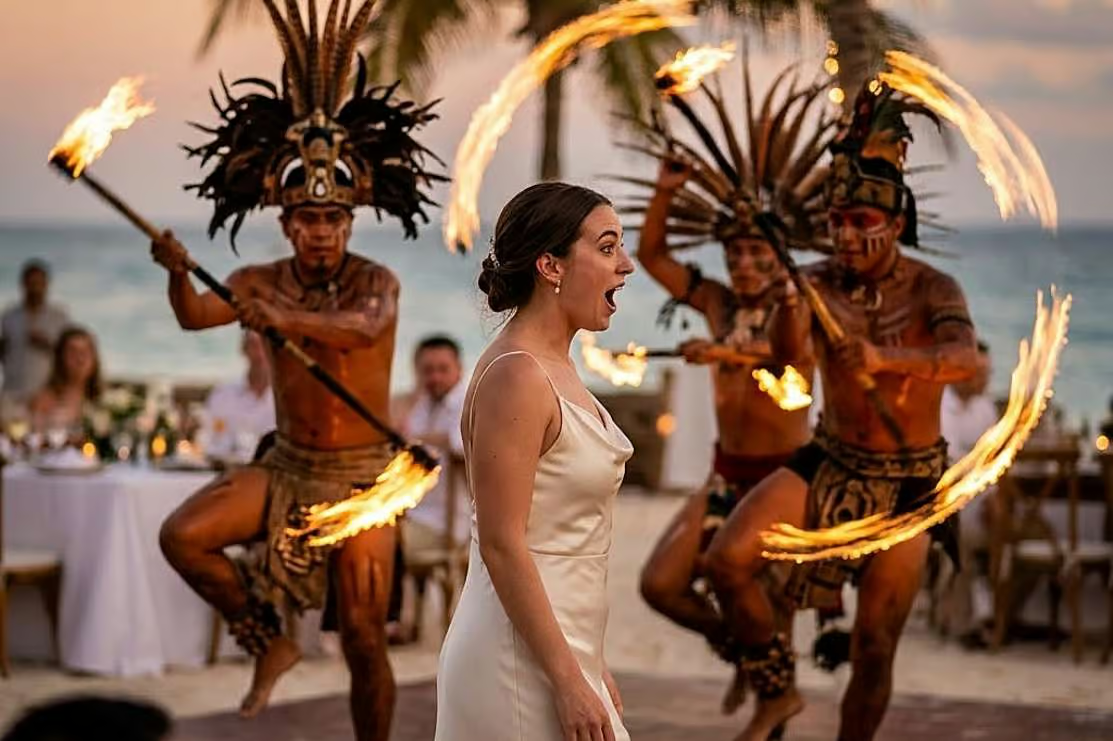
- TL;DR
- Traditional Instruments Create a Unique Sound
- Rhythms Draw from Diverse Styles
- The Five Pillars: A Roadmap Through Mexico’s Musical Soul
- More Than Words: Storytelling That Bridges Generations
- The Soundtrack of the Soul: From Sacred Rituals to Grand Receptions
- A Lasting Global Influence
- Did You Know?
- You Might Be Wondering: Bringing the Sound of Mexico to Your Event
- Which Genre Is Right for Your Event in Cancún?
- In Conclusion
In Mexico, music (much like traditional cuisine) is and has been historically fundamental for cultural identity, from traditional folk genres to modern fusion between pop and traditional genres. Traditional mexican music genres draws from a convergence of Indigenous, Spanish, and African styles over centuries. The fusion of instruments, rhythms, and songwriting produced beloved genres that remain popular today. Exploring key types of folk music provides insight into Mexico’s melting pot of cultural influences.
TL;DR
Mexican folk music mixes indigenous, Spanish, and African influences into beloved genres like mariachi, ranchera, norteño, son, and huapango. Traditional instruments like guitars, violins, and percussion combine with diverse rhythms and lyrics celebrating history, culture, and daily life. Key genres include mariachis for events, sentimental rancheras, accordion-driven norteño, storytelling son, and fast huapangos for dancing. Still thriving locally and globally, Mexican folk music imparts tradition and community identity with its signature fusion sound.
Traditional Instruments Create a Unique Sound
The foundation of Mexican folk music lies in its instrumentation. Indigenous instruments like percussion, flutes, and rattles combine with Spanish stringed instruments. Guitars, both acoustic and bass, are staple instruments often paired with violins. Brass horns including trumpets and saxophones add punch. The harmonious blend creates a quintessential Mexican folk sound.
Mariachi bands epitomize the convergence of native and Spanish instruments. Originating in Jalisco, mariachi groups include violins, guitars, trumpets, and a guitarrón bass guitar for a distinctive resonance. Mariachi serves as a symbol of Mexican music worldwide.

Rhythms Draw from Diverse Styles
Rhythms in Mexican folk music derive from diverse sources. Indigenous influences impart driving drumbeats and percussion. European rhythms contribute waltzes, polkas, and chotís styles. West African syncopation lent soulful, energetic polyrhythms.
This blend produces the rhythmically complex son jarocho genre from Veracruz. Uptempo huapango rhythms inspire fast footwork during dance. Traditional songs even fuse rhythmic styles, like “La Bamba” alternating between son and huapango. The variety of rhythmic flavors adds richness to Mexican folk music.
The Five Pillars: A Roadmap Through Mexico’s Musical Soul
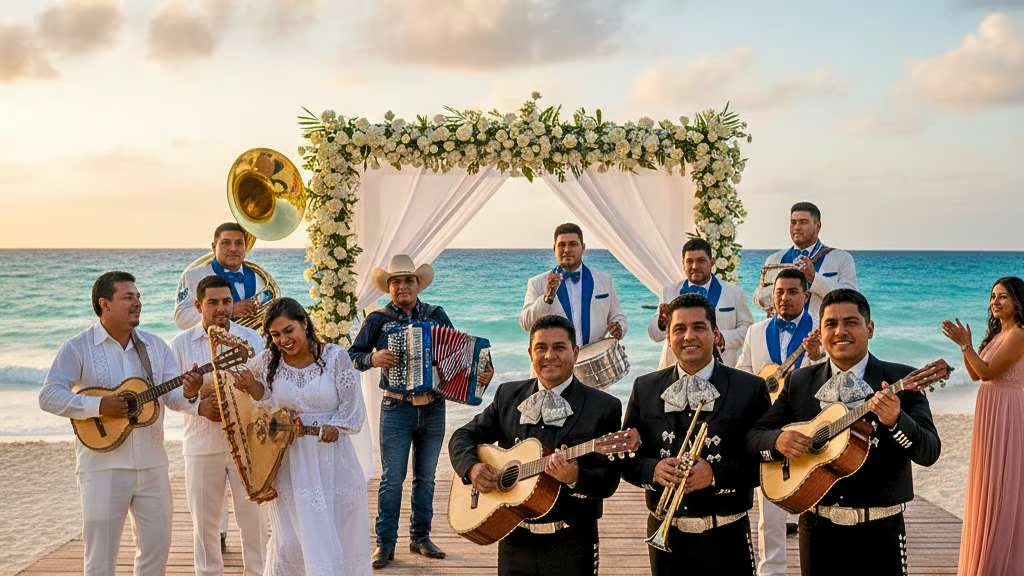
While Mexico’s musical map is incredibly vast, most of the magic you’ll experience at a celebration stems from five core foundations. At Gaia, we often tell our clients that choosing a genre isn’t just about the “sound”—it’s about setting the specific “soul” of your event.
1. Son: The Joyful Ancestor
Think of Son as the genetic backbone of Mexican folk. It’s a wild, beautiful hybrid born from the collision of Indigenous rhythms, Spanish strings, and African syncopation. If you’re looking for music that feels like a conversation, this is it. It’s famous for its improvised lyrics – musicians often “freestyle” verses to poke fun at the crowd or tell a local legend, making every performance feel like a one-of-a-half-kind moment.
2. Mariachi & Ranchera: The Heart on the Sleeve
You can’t talk about Mexico without the Mariachi. Closely tied to the “Son” rhythm, Mariachi is the cinematic version of Mexican culture.
But when you add the Ranchera element, it becomes deeply personal. Rancheras are the “soul songs” of the rural countryside (think of them as Mexican country music). They lean into themes of love, heartbreak, and the rugged beauty of ranch life. When a Mariachi band hits that high note in a Ranchera classic, it’s the ultimate “goosebumps” moment for a wedding or gala.
3. Norteño: The High-Energy “Polka” Twist
Up in Northern Mexico, things take a unique turn with Norteño (or Conjunto). It’s one of the most fascinating cultural blends in the world: it takes the German polka (complete with the accordion!) and fuses it with Mexican storytelling. Led by the bellows of the accordion and the deep resonance of the bajo sexto (a 12-string guitar), Norteño is the ultimate party-starter. It’s rhythmic, bouncy, and impossible to sit still to.
4. Corridos: The Living History Books
If you want drama and storytelling, you want Corridos. These are narrative ballads—musical newspapers, really—that have spent centuries chronicling the lives of heroes, outlaws, and revolutionaries. While they often use the same instruments as Norteño or Mariachi, the focus here is the lyric. A Corrido turns your event into a curated experience of history, bringing a sense of weight and legacy to the atmosphere.
5. Huapango: The Tropical Heartbeat
Hailing from the lush, eastern tropics, Huapango is all about speed and spectacle. Played on small jarana guitars, it features a driving, intricate rhythm that was practically designed for dancing. If you’ve ever seen the fast-paced, rhythmic footwork known as zapateado, you’ve likely seen it performed to a Huapango. It’s sophisticated, fast, and brings an infectious tropical energy that works perfectly for outdoor cocktail hours or high-energy receptions.
Bonus: The Banda Sinaloense Boom (The 2025 Trend)
If you’ve been following the global charts or attending high-end weddings in the Riviera Maya recently, you’ve likely heard the unmistakable “wall of sound” that is Banda Sinaloense.
Originally from the state of Sinaloa, this is not just “another genre”, it is a full-scale brass explosion. Research into recent wedding trends shows a massive shift toward “Theme Park Weddings,” where couples seek high-stimulus, immersive experiences. Banda fits this perfectly.
What makes it different?
- The Power of Brass: Unlike the string-heavy Mariachi, Banda is powered by a massive brass section: trumpets, trombones, and the iconic Sousaphone (Tuba) that provides a deep, physical bass you can feel in your chest.
- The German Connection: Similar to Norteño, it has roots in the 19th-century German migration to Mexico, which brought brass instruments and military band structures to the Pacific coast.
- The Vibe: In 2025, Banda is the “Late Night” king. It’s often brought in as the “Surprise Act” after the main dinner to kick the energy into overdrive.
Gaia Insider Tip: Because Banda is loud and high-energy, we recommend it for outdoor venues or large ballrooms. If you want your guests to talk about the “energy” of your wedding for years, the rumble of a Sinaloan tambora (bass drum) is the secret weapon.
More Than Words: Storytelling That Bridges Generations
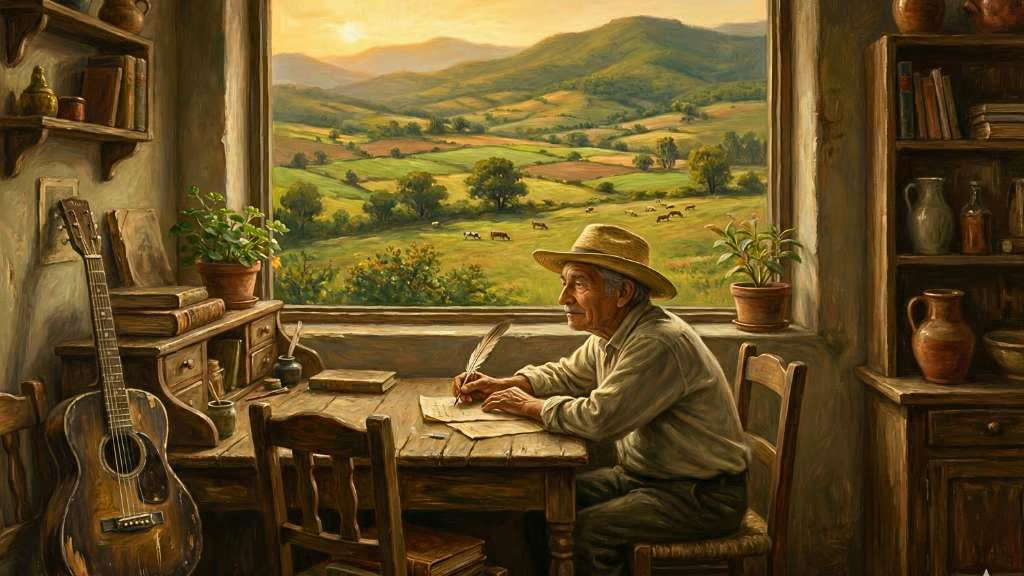
If you don’t speak Spanish, you might think the lyrics are secondary to the beat. But in Mexican folk music, the lyrics are the “soul” of the performance. They aren’t just lines in a song; they are shared memories, inside jokes, and epic poems set to music. When our bands perform, you’ll notice the local guests leaning in because the storytelling is where the real magic happens.
The “Musical Newspaper” (Corridos)
Think of Corridos as the original viral threads. For centuries, these ballads have served as oral histories, chronicling everything from the daring exploits of revolutionary heroes to the modern-day legends of outlaws. When a band strikes up a Corrido, they aren’t just playing a song; they’re reciting a piece of living history. It adds a layer of “epic drama” to an event that guests find absolutely captivating.
Wit, Wink, and Double Meanings (Son)
If Corridos are the drama, Son is the comedy. These lyrics are famous for their doble sentido (double meanings) and sly metaphors. The singers often use cheeky wordplay to recount amusing tales or lighthearted social commentary. It’s “interactive” music – often involving a call-and-response with the crowd – that keeps the energy light and the smiles wide.
The Soul of the Countryside (Ranchera)
There is a specific kind of nostalgia in Ranchera music that Mexicans call sentimiento. These lyrics aren’t just about rural life; they are a cinematic tribute to the Charro (the Mexican cowboy), his “magnificent steed,” and the rugged beauty of the mountains. When you hear a Ranchera, you’re hearing a love letter to the land. It’s brooding, passionate, and deeply sentimental, perfect for those “big heart” moments during a wedding reception.
Poetry in Motion (Huapango)
In Huapango, the lyrics are often secondary to the rhythm of the dance, but they are no less poetic. They usually focus on the natural world or the intricate steps of the folk dances themselves. The lyrics act as a rhythmic guide, mirroring the fast-paced footwork of the dancers and heightening the physical energy of the performance.
Gaia Insider Tip: Even if your guest list is primarily English-speaking, the emotion of these lyrics is universal. We often suggest providing a small “program note” or having the MC give a 10-second “vibe check” before a song to explain the story. It turns a “performance” into a shared cultural experience.
The Soundtrack of the Soul: From Sacred Rituals to Grand Receptions
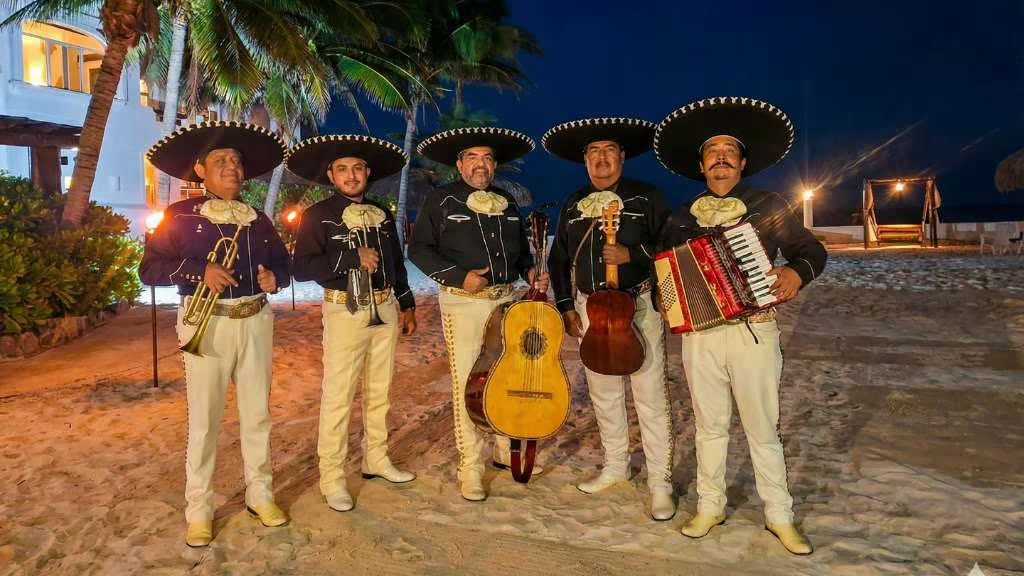
In Mexico, music isn’t a “background service”—it is the heartbeat of the event. It marks the transition from the sacred to the celebratory. For our clients planning destination weddings in Cancun or Tulum, understanding these traditions allows them to weave authentic cultural “anchors” into their own celebration timeline.
The “Big Reveal”: Mariachis and the Callejoneada
While Mariachis are iconic for Independence Day, in the world of high-end destination events, they serve a specific strategic purpose: The Transition. We often recommend a Mariachi band for the Callejoneada—a traditional musical parade that moves your guests from the ceremony site to the cocktail hour. It’s an immersive “surprise and delight” moment that breaks the ice and signals that the party has officially begun.
The High-Octane Pulse: Tamborazos and Marimbas
If you’ve ever felt a rhythm so powerful it makes your chest vibrate, you’ve likely heard a Tamborazo. These brass-heavy ensembles are the soul of Zacatecas and are now a massive trend for wedding “after-parties.” On the other end of the spectrum, the Marimba offers a sophisticated, tropical elegance. At Gaia, we find that a Marimba ensemble is the “secret weapon” for a beachside welcome dinner—it provides a lush, acoustic soundscape that allows for easy conversation while still feeling undeniably Mexican.
Emotional Anchors: The Quinceañera and Beyond
Mexican folk music is also the language of milestones. At a Quinceañera (a girl’s 15th birthday), the music transitions from nostalgic Ranchera classics—honoring the childhood being left behind—to high-energy modern hits. This “emotional arc” is something we help our wedding clients replicate. Whether it’s a specific folk song for a father-daughter dance or a high-energy Huapango to kick off the dance floor, the music is chosen to amplify the emotion of the moment.
The “Gaia Standard” for Daily Rituals
Even daily life in Mexico is rhythmic; from the communal songs of artisans to the melodies heard in town plazas. We bring that same “communal spirit” to our setups. We don’t just “plug in and play.” We coordinate with your venue to ensure the music feels like it belongs to the space—whether that means an acoustic trio tucked into a jungle cenote or a full brass band on a grand ballroom stage.
Planning Insight: One of the biggest “fears” we hear from US planners is about the logistics of live brass bands. At Gaia, we mitigate this by providing on-site audio technicians who manage the “sound levels” in real-time. You get the authentic power of a Tamborazo without it overwhelming your guests’ ability to talk.
A Lasting Global Influence
From the folk revival in 1960s Mexico City to YouTube mariachi videos, Mexican folk genres continue thriving. Catchy huapango rhythms get crowds dancing during festivals worldwide. folk classic genres inspire newer hybrid subgenres like corrido-tumbado and pasito duranguense.
Mexican folk music remains locally vital from serenading town plazas to family gatherings. It also influences global pop, with artists like Shakira and Becky G fusing traditional styles into chart-topping hits. Imparting tradition and artistic spirit, Mexican folk music persists as a cherished global legacy.
Did You Know?
• Most mariachi groups include at least one female musician, continuing the pre-20th century tradition of women mariachi players.
• “La Bamba” has been adapted by artists from Ritchie Valens to Angélique Kidjo, becoming one of Mexico’s most famous folk songs worldwide.
• Norteño pioneers like Ramón Ayala revolutionized accordion playing techniques, lending virtuosity to the genre.
• Though a German import, the polka rhythm was modified in norteño music to better fit Spanish lyrics and Mexican tunes.
• Huapango’s energetic couple dances are believed to have originated from indigenous fertility rituals.
You Might Be Wondering: Bringing the Sound of Mexico to Your Event
How do I know the “Versatile Band” or Mariachi will meet US quality standards?
We understand the “Destination Fear” of vetting talent from afar. At Gaia, we don’t just hire “local talent”; we manage a select network of professional musicians vetted for their talent and professional standards and ability to read an international crowd
Our 20+ years of experience in the Cancun scene ensure that our performance style and technical proficiency meet—and often exceed—the standards our US clients are accustomed to back home
Can I request specific songs or provide a “Do Not Play” list for my event?
Absolutely. One of the biggest frustrations for couples is feeling ignored by their performers. We prioritize your vision. Whether you are booking a solo violinist or a full 10-piece concert band, we use a detailed music questionnaire to capture your preferences early in the process. We strictly adhere to your “must-play” and “do-not-play” lists to ensure the atmosphere matches your unique style
What happens if there is a technical glitch or a power outage at my venue?
Technical failures are a major source of anxiety, especially for high-stakes moments like the first dance or a CEO’s keynote
Gaia mitigates this risk by providing on-site technicians with all packages
Our setups are professional and clean (no messy wires!), and we proactively coordinate with your Cancun or Mayan Riviera venue to understand their specific power capabilities and logistical constraints before we arrive
How do I handle payments and contracts for a Mexican band from the US?
To eliminate payment insecurity and “hidden fee” frustration, we provide clear, USD-based pricing and exceptionally detailed contracts
We offer secure digital platforms for contract signing and payments to streamline the remote planning process. Our terms are transparent: a 30% down payment blocks your date, and the balance is due one week prior to the event (three weeks for international transfers)
Which Genre Is Right for Your Event in Cancún?
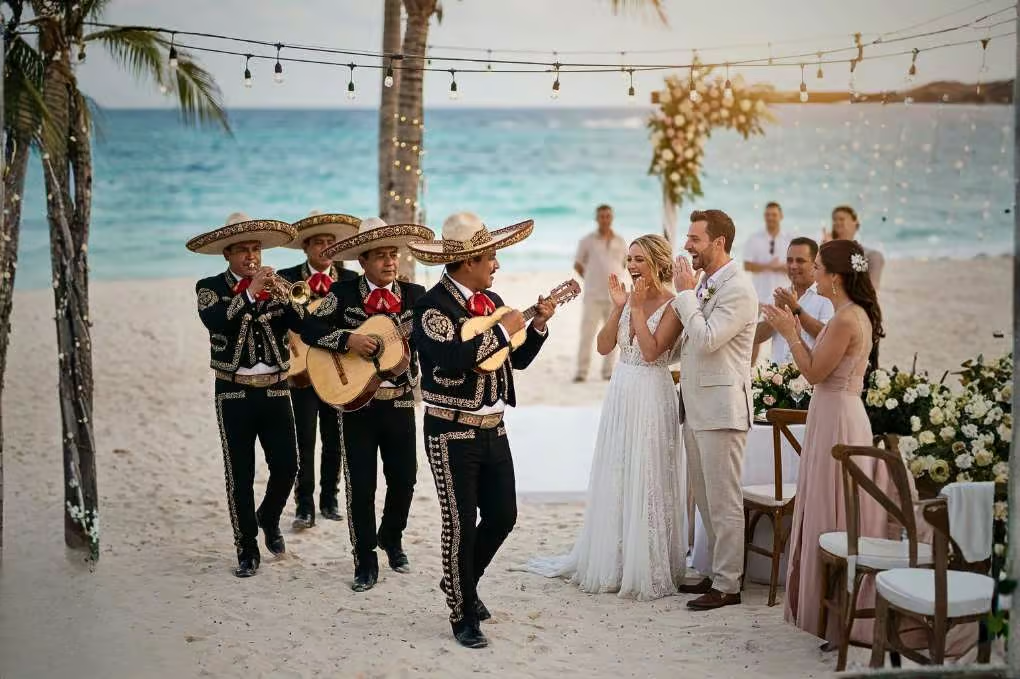
Which Traditional Mexican Music Genre Is Right for Your Event in Cancún?
Reading about these genres is one thing. Matching the right one to your specific event – your venue, your guest mix, your timeline – is where most couples get stuck. After coordinating traditional Mexican music for hundreds of destination events in the Riviera Maya, here’s how we think about it.
You want an emotional anchor moment → Mariachi + Ranchera This is the combination for any moment that needs weight: the Callejoneada from ceremony to cocktail hour, the father-daughter dance, a surprise serenade. Mariachi delivers the visual impact; Ranchera delivers the sentimiento. If your guest list is primarily non-Spanish speakers, we suggest a 10-second MC intro before each song – it transforms a “performance” into a shared experience.
You want a packed dance floor from the first song → Norteño or Banda Sinaloense Both are built to move crowds. Norteño is the tighter, more intimate option – ideal for cocktail hours at boutique venues or rooftop settings. Banda is the full brass explosion – reserve it for large outdoor terraces or ballrooms where the sound can breathe. A common mistake we see: couples book Banda for a venue with a 90-decibel cap. Gaia maintains current sound restriction policies for 40+ venues across the Hotel Zone, Riviera Maya, and Tulum so this doesn’t become your problem.
You want cultural authenticity without overwhelming non-Mexican guests → Son or Huapango Both genres are visually compelling even if your guests don’t know a word of Spanish. Son’s call-and-response format and Huapango’s zapateado footwork are crowd-magnetizing even across language barriers. These work particularly well during cocktail hours at jungle or cenote venues, where the acoustic setting amplifies the intimacy of the performance.
You want storytelling that gives your event a sense of history → Corridos Corridos are rarely the whole set – they’re the centerpiece of it. We often recommend weaving two or three into a Mariachi set for couples who want their reception to feel like something more than a party. If you’re honoring Mexican heritage or hosting guests who are fluent in the culture, a Corrido set creates a moment that’s genuinely irreplaceable.
Gaia’s entertainment specialists help couples in Cancún, Playa del Carmen, and the Riviera Maya select, book, and coordinate traditional Mexican music that fits the specific emotional arc of their event – not just a genre name on a contract. Send us a message and receive a personalized response within 24 hours. We work in English, Spanish, and Portuguese.
In Conclusion
From indigenous roots to modern interpretations, Mexican folk music offers globally beloved sounds and rhythms. It provides the soundtrack to daily life and public festivity throughout Mexico, loved for its spirit and centrality to cultural identity. These cherished genres form a melodic mosaic of tradition.